Dine Crafted
Location
How to Choose a Location for a Café
Learn how to judge a café location in India: footfall, visibility, rent ratio, competition and lease terms, with a scoring method and rent-to-sales test.
12 October 2026 · 5 min read
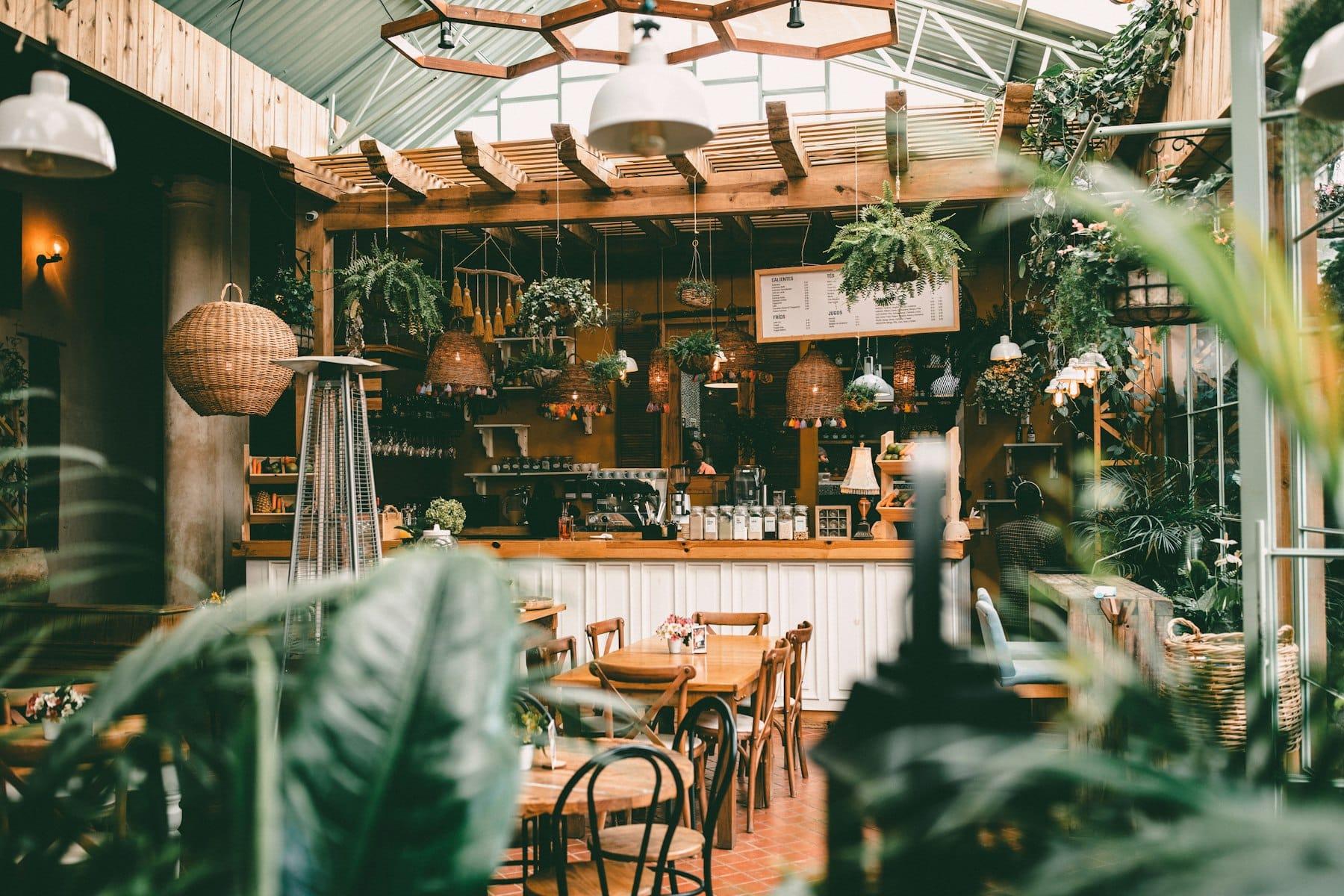
Location is the one decision you cannot fix later. You can change a menu in a week. You cannot move a lease. This guide gives you a practical way to judge a site before you pay a deposit.
Any numbers here are planning assumptions and rules of thumb. Local reality always comes first.
Start with the customer, not the street
Before you look at a single shop, write down who you are serving. Office workers on a lunch break? Students? Families on weekends? Residents who want a neighbourhood hangout? Each group walks, drives and spends differently.
A café aimed at remote workers wants quiet, seating and power points. A grab-and-go coffee counter wants a busy corner and a fast queue. The right site for one is the wrong site for the other.
The five things that matter most
1. Footfall that fits your format
Count people, but count the right people. A busy road with fast traffic is not the same as a street where people stroll. Stand outside the site at different times and note who passes.
- Weekday morning, lunch, evening.
- Weekend morning and evening.
- Whether people stop, slow down, or rush past.
An hour of watching tells you more than a broker's pitch.
2. Visibility and access
Can people see your sign from a distance? Is the entrance obvious? Is there parking, or at least a safe drop-off spot? A hidden first-floor space can still work for a destination concept, but it needs stronger marketing and usually takes longer to build.
3. Competition and the gap
Walk the area. List every café, bakery and quick-service outlet within a short walking distance. Competitors are not always bad news. A cluster of cafés can signal demand. What matters is whether your concept offers something clearly different, by price, product or experience.
4. Rent that the sales can carry
Rent is the cost you cannot negotiate down once you have signed. A common rule of thumb is to keep rent in the region of 10 to 15 percent of sales for many formats, though this varies by city and format. Use it as a check, not a law.
Worked illustration: suppose the monthly rent is ₹1.2 lakh. At 12 percent rent-to-sales, you would need about ₹10 lakh of monthly sales to be comfortable. Ask yourself whether the site can realistically generate that. If you would need to hit ₹10 lakh to justify the rent but your honest estimate is ₹5 lakh, the site is too expensive for you.
5. Lease terms
A good location on a bad lease is a bad location. Read for:
- Lock-in period and what happens if you exit early.
- Annual rent increase and how it is calculated.
- Security deposit size and refund conditions.
- Rent-free fit-out period.
- Permission for signage and outdoor seating.
- Whether the property permits food service, exhaust and a kitchen.
- Who is responsible for maintenance and common area charges.
Have a lawyer review the lease. This guide is not legal advice.
A simple scoring method
Score each shortlisted site from 1 to 5 on the factors below. Weight them to match your concept, then compare totals.
| Factor | Weight (example) | Site A | Site B | Site C |
|---|---|---|---|---|
| Footfall match | 25 percent | |||
| Visibility | 15 percent | |||
| Competition gap | 15 percent | |||
| Rent to sales fit | 25 percent | |||
| Lease terms | 10 percent | |||
| Parking and access | 10 percent |
The weights are only an example. A takeaway kiosk may weigh visibility higher. A destination café may weigh parking higher. What matters is that you decide the weights before you fall in love with a site.
Practical checks before you commit
- Visit at three different times of day and on a weekend.
- Talk to neighbouring shopkeepers about footfall and any past tenants. Ask why the last tenant left.
- Check the electrical load, water supply, drainage and exhaust possibilities.
- Confirm that the building allows a commercial kitchen and the signage you need.
- Ask about the licences you will need, such as FSSAI, GST, Shops and Establishments, trade licence and fire NOC where applicable. Requirements vary by state and municipality, so verify locally.
- Check delivery reach. If you plan to sell through apps, find out which areas the site can serve. See our Swiggy and Zomato setup checklist.
Red flags
- The broker pushes you to decide this week.
- The rent only works if you assume very high sales.
- The previous tenant was a food business that closed within a year, and nobody can explain why.
- The lease does not allow you to make the changes your kitchen needs.
- The only reason you like it is that it looks good.
Do not forget the numbers behind the site
Location choice feeds every other number: rent, staffing hours, expected sales, even how much working capital you need. A small error here ripples through everything. Our guides on the cost to open a café and restaurant working capital help you stress-test the full plan.
How Dine Crafted approaches location
Dine Crafted is a launch-and-operating company for owner-built cafés, restaurants and QSRs. We are not a franchise. For location, we do a structured feasibility review: catchment, competition, rent-to-sales fit, lease terms and layout suitability, so you decide with evidence, not instinct. You can read how this fits into the larger journey on how it works.
Next step
If you have a site in mind, or a shortlist of two or three, get it checked before you pay a deposit. Our location feasibility service reviews the site, the rent and the likely sales so you can walk away from a weak one early.